
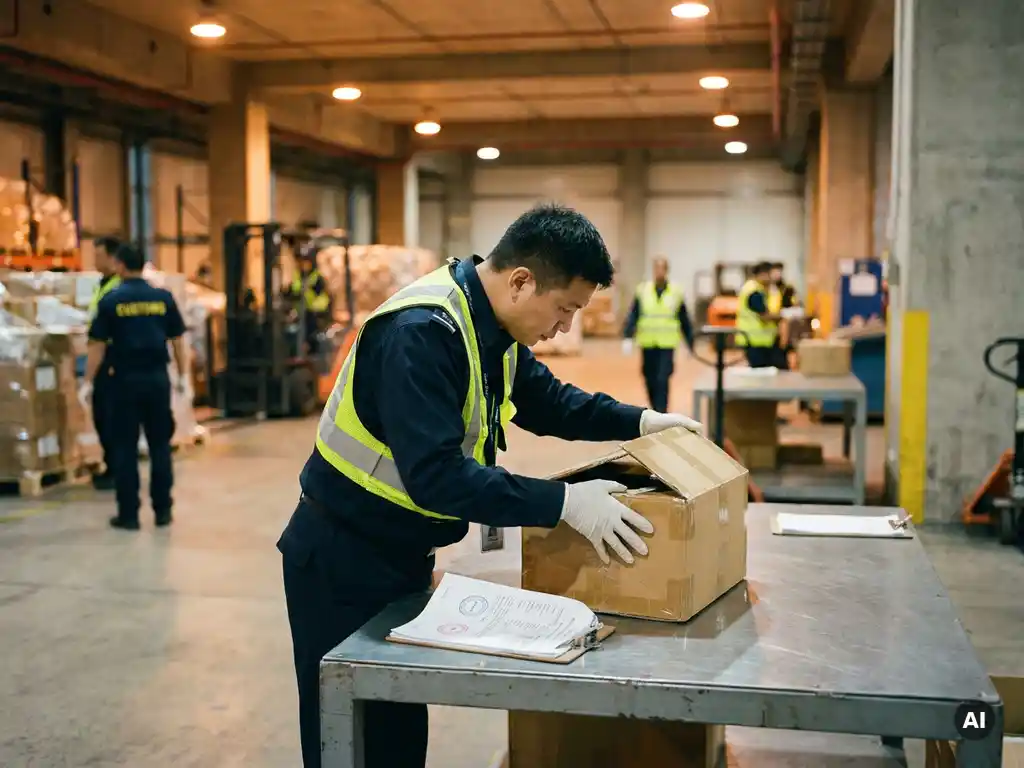
NAFDAC, the National Agency for Food and Drug Administration and Control, is Nigeria’s federal regulatory authority responsible for controlling the manufacture, importation, exportation, distribution, sale, and use of food, drugs, cosmetics, medical devices, chemicals, and packaged water. For businesses shipping goods by air freight to Nigeria, NAFDAC compliance is not optional: it is a legal prerequisite that determines whether a shipment clears customs or gets detained at the port of entry. The sections below address the most common questions importers face when navigating NAFDAC requirements for air freight shipments.
Which goods require NAFDAC approval for import into Nigeria?
NAFDAC approval is required for any product that falls within the agency’s regulatory mandate: food and beverages, pharmaceuticals, medical devices, cosmetics and toiletries, chemicals (including household chemicals and insecticides), veterinary products, and packaged water. If a product is consumed, applied to the body, or used in a medical or veterinary context, it almost certainly requires NAFDAC oversight before it can legally enter Nigeria.
In practical terms for businesses shipping from Europe, the most commonly affected product categories include:
- Processed and packaged food products
- Nutritional supplements and vitamins
- Over-the-counter and prescription medications
- Medical equipment and consumables
- Cosmetics, skincare, and personal care products
- Cleaning agents and disinfectants
- Veterinary drugs and feed additives
- Bottled or packaged water
General merchandise, industrial machinery, raw materials, and electronics typically fall outside NAFDAC’s scope, though other Nigerian regulatory requirements may still apply. If there is any doubt about whether your product is NAFDAC-regulated, the safest approach is to verify before booking air freight to Nigeria.
How does NAFDAC registration differ from NAFDAC clearance?
NAFDAC registration and NAFDAC clearance are two distinct processes that apply at different stages. Registration is a pre-market approval process completed before a product is first imported or sold commercially in Nigeria. Clearance is the transaction-specific process that happens at the point of importation, where NAFDAC inspectors verify that an arriving shipment complies with the product’s existing registration.
A product that has not been registered with NAFDAC cannot legally be imported for commercial sale, regardless of how the shipment is presented. Registration results in a NAFDAC number that must appear on product packaging. When a registered product arrives at a Nigerian port or airport, NAFDAC clearance involves checking that the shipment matches the registered product specification, reviewing documentation, and sometimes physically inspecting or sampling the goods.
For businesses new to the Nigerian market, registration is the foundational step. For repeat importers of already-registered products, clearance is the ongoing requirement that applies to every individual shipment.
What documents are required for NAFDAC-regulated air freight shipments?
For a NAFDAC-regulated air freight shipment to clear Nigerian customs without delays, the following documents are typically required:
- NAFDAC registration certificate for the product being imported
- Airway bill (AWB) with accurate product description
- Commercial invoice showing supplier, buyer, product details, and value
- Packing list with quantities, weights, and packaging details
- Certificate of analysis or conformity from the manufacturer
- Certificate of free sale issued in the country of origin, where applicable
- Form M (Nigeria’s mandatory import declaration form, processed through a Nigerian bank)
- Product label samples showing the NAFDAC registration number
Pharmaceutical shipments often require additional documentation, including a certificate of pharmaceutical product (CPP) and evidence of Good Manufacturing Practice (GMP) compliance. The exact requirements can vary depending on the product category, so confirming the full document checklist with a freight specialist experienced in Nigeria import regulations before shipment is strongly advised.
What happens if a shipment arrives without NAFDAC compliance?
A shipment that arrives in Nigeria without the required NAFDAC documentation or with an unregistered product will be detained by Nigerian Customs in coordination with NAFDAC. The goods cannot be released for delivery until compliance is established. In practice, this means significant delays, storage costs, and the risk of outright rejection or destruction of the goods.
Non-compliant shipments may face the following consequences:
- Seizure and detention at the airport or port of entry
- Mandatory inspection and sampling by NAFDAC officers
- Fines and penalties imposed on the importer of record
- Forced re-exportation of the goods at the importer’s expense
- Destruction of goods deemed unfit or unregistered
Beyond the direct financial cost, non-compliance can damage the commercial relationship between the European exporter and the Nigerian buyer. It can also affect the importer’s standing with Nigerian customs authorities for future shipments. Compliance must be confirmed before the goods leave Europe, not resolved after they arrive in Lagos or Abuja.
How long does NAFDAC product registration take for imported goods?
NAFDAC product registration for imported goods officially takes between three and twelve months, depending on the product category, the completeness of the application, and current processing volumes at the agency. Pharmaceutical products and medical devices typically require longer review periods than food or cosmetic products due to the depth of technical assessment involved.
In practice, delays beyond the official timelines are common, particularly when applications are incomplete or when additional information is requested by NAFDAC reviewers. Businesses planning to enter the Nigerian market should factor registration lead time into their go-to-market planning and avoid committing to delivery timelines before registration is confirmed. Attempting to ship a product to Nigeria before registration is complete creates significant legal and commercial risk.
NAFDAC also offers an expedited review pathway for certain product categories, including essential medicines. Whether a product qualifies for this route is determined by NAFDAC on a case-by-case basis.
Should NAFDAC compliance be handled before or after booking air freight?
NAFDAC compliance must be confirmed before booking air freight to Nigeria, not after. Booking a shipment before verifying that the product is registered and that all required documentation is in place creates the risk of goods being stranded in transit or detained on arrival. The cost of storage, delays, and potential penalties far exceeds any time saved by booking early.
The correct sequence for businesses shipping NAFDAC-regulated goods from Europe to Nigeria is:
- Confirm whether the product requires NAFDAC registration
- Complete registration and obtain the NAFDAC number (if not already registered)
- Prepare all required import documentation, including Form M
- Verify that product labeling carries the correct NAFDAC number
- Book air freight with a freight forwarder experienced in Nigerian import compliance
- Ensure the freight forwarder has full visibility of the documentation set before departure
Treating compliance as a parallel workstream rather than a prerequisite is one of the most common and costly mistakes businesses make when entering the Nigerian market for the first time.
How EAF supports NAFDAC-regulated shipments to Nigeria
We have been moving goods from Europe to Nigeria for over 30 years, and NAFDAC compliance is a routine part of how we manage air freight shipments to Lagos and beyond. Businesses that work with us do not have to navigate Nigerian import regulations alone.
Here is what we handle on behalf of our clients:
- Pre-shipment document review to confirm NAFDAC compliance before departure
- Coordination of all required customs and NAFDAC documentation
- DDP (Delivered Duty Paid) shipments, including handling of all duties, taxes, and clearance fees in Nigeria
- Direct communication with our in-country partners in Lagos for smooth clearance and last-mile delivery
- Guidance on product registration requirements for businesses entering the Nigerian market for the first time
If you are planning to ship NAFDAC-regulated goods to Nigeria and want to make sure your shipment clears without delays, contact us before you book. We will tell you exactly what is needed.
Ähnliche Artikel
- Which documents are required for air freight to Ghana?
- Which freight forwarder can help with Form M, SONCAP and NAFDAC for Nigeria?
- What Is a Commercial Invoice and Why Is It Needed for Export?
- How Do You Book an Air Freight Shipment to Africa?
- How Is Air Freight Cost Calculated?
Dieser Inhalt wurde mithilfe von KI erstellt und kann Fehler enthalten.