
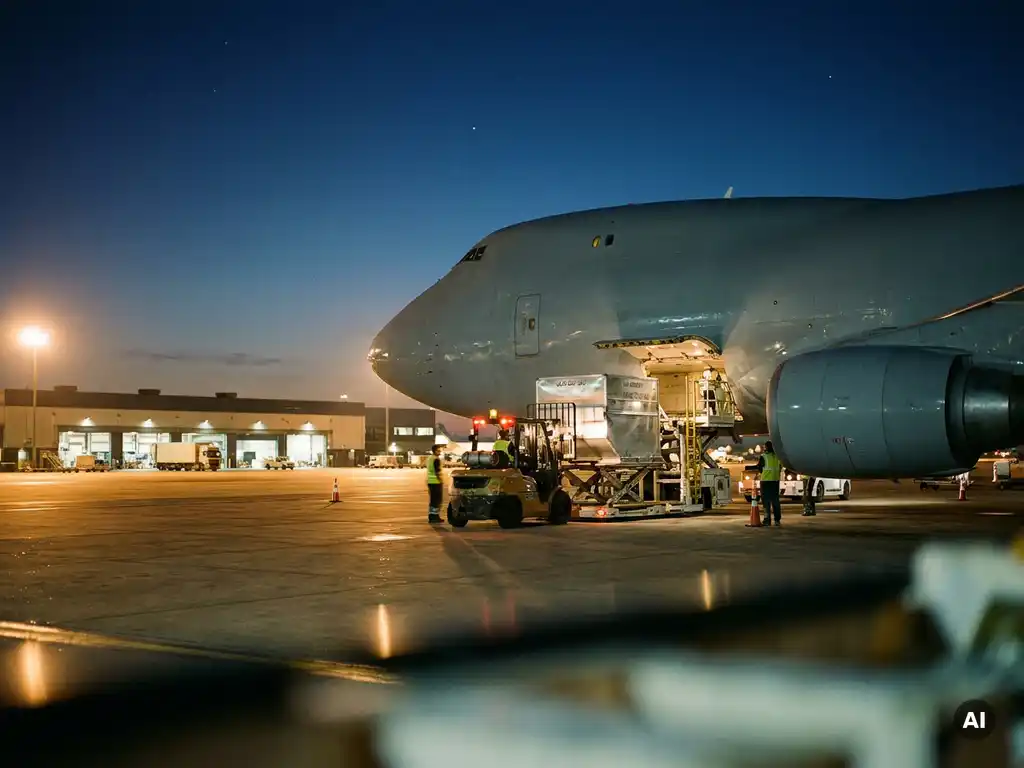
Air freight rates to Africa change because of a combination of supply and demand forces that shift constantly. Fuel prices, seasonal cargo peaks, limited direct airline capacity, and currency movements all push rates up or down at different times of year. For businesses shipping goods from Europe to destinations like Nigeria, Ghana, Kenya, or Tanzania, understanding these drivers helps with budgeting and timing. The sections below break down each factor in plain terms.
What factors drive air freight rates to Africa?
Air freight rates to Africa are driven by five core factors: fuel surcharges, available airline capacity, seasonal demand peaks, currency exchange rates, and origin or destination handling charges. No single factor operates in isolation. When two or more of these pressures align, for example, high fuel prices coinciding with a pre-holiday cargo surge, rates can move sharply within a short window.
Africa routes add complexity because many destinations are served by a limited number of carriers, and transit hub options are fewer than on transatlantic or intra-European lanes. This structural thinness in the market means that even moderate demand increases can push air freight pricing higher than comparable routes elsewhere in the world. Businesses shipping regularly to West or East Africa benefit from tracking these variables rather than treating air cargo rates as fixed costs.
How does fuel price affect air cargo costs to Africa?
Fuel surcharges are directly tied to jet fuel prices and typically represent a significant portion of the total air cargo rate. When oil markets move, airlines adjust their fuel surcharge indices, often on a monthly or quarterly basis. Because Africa routes frequently involve longer sector lengths and fewer direct connections, fuel costs per kilogram tend to be proportionally higher than on shorter European corridors.
The fuel surcharge is not a hidden fee. It appears as a separate line item on freight invoices and is recalculated regularly by airlines. Shippers who lock in rates through forward bookings or volume agreements with freight forwarders can sometimes insulate themselves from short-term fuel price swings, though this depends on the terms negotiated. When crude oil prices rise significantly, as they have done during periods of geopolitical tension, the impact on air freight costs to Africa is felt relatively quickly.
Why do air freight rates to Africa spike during certain seasons?
Air freight rates to Africa spike seasonally because cargo volumes surge at predictable times of year while airline belly capacity remains largely fixed. The most pronounced peaks occur in the lead-up to major religious and cultural holidays, during harvest and agricultural export seasons, and in the final quarter of the calendar year when European manufacturers push goods ahead of year-end deadlines.
For West African destinations such as Lagos and Accra, demand typically rises sharply in October and November as businesses stock up before the festive period. East African lanes to Nairobi and Dar es Salaam see similar pressure. When demand outpaces available space, carriers apply peak season surcharges on top of base rates and fuel levies. Booking lead times that might be two or three days in a quiet period can extend to a week or more during these windows, and rate validity shortens considerably.
Planning shipments three to four weeks ahead of a known peak is the most reliable way to avoid the worst of the seasonal rate increases.
How does limited airline capacity affect Africa airfreight pricing?
Limited airline capacity on Africa routes means that the market has less buffer to absorb demand increases. Unlike routes between major European hubs and North American gateways, which are served by dozens of carriers operating multiple daily frequencies, many African destinations are served by a handful of airlines, often with only a few weekly departures. This structural constraint keeps the baseline for air cargo rates on Africa lanes higher than on more competitive corridors.
Capacity on Africa routes comes from two sources: dedicated freighter aircraft and belly space on passenger aircraft. When passenger demand is low, such as during periods of travel disruption, belly capacity shrinks and the available freighter space fills faster. Conversely, when a new carrier enters a route or an existing airline adds frequencies, rates tend to soften. Shippers benefit from working with forwarders who have established relationships with multiple carriers, because access to alternative routing options is the most practical hedge against capacity constraints.
What role do currency fluctuations play in air freight costs?
Currency fluctuations affect air freight costs to Africa in two ways. First, most international air cargo rates are quoted in US dollars. When the euro weakens against the dollar, European shippers pay more in local currency terms for the same dollar-denominated rate. Second, local currency instability at the destination, which is a recurring factor in markets like Nigeria, can affect the cost of local handling, customs clearance, and last-mile delivery when those services are billed in the local currency.
For businesses shipping on DDP terms, meaning the freight forwarder handles all duties and delivers goods to the consignee’s door with duties paid, currency risk is partly absorbed into the overall shipment cost. This can actually simplify budgeting, because the shipper receives a single all-in price rather than managing multiple currency exposures across origin, transit, and destination charges. Understanding how the dollar-euro rate is moving at the time of booking is a practical step for any finance team managing freight spend.
When is the best time to book air freight to Africa for lower rates?
The best time to book air freight to Africa for lower rates is during the quieter mid-year period, roughly between late January and August, when seasonal demand is lower and airline capacity is more readily available. Avoiding the October to December peak window and booking at least two weeks in advance of the required flight date gives shippers the best chance of securing competitive rates and confirmed space.
Beyond timing, the following practices help manage air freight pricing on Africa routes:
- Book early and confirm space rather than relying on spot rates close to the departure date
- Consolidate shipments where possible to benefit from volume-based pricing
- Request rate validity in writing, as Africa lane rates can change quickly
- Build flexibility into delivery timelines around known peak periods
- Work with a forwarder who has direct carrier relationships on your specific destination, not just a general network
No booking strategy eliminates rate volatility entirely, but consistent planning and a reliable forwarding partner reduce exposure significantly.
How EAF Helps You Navigate Air Freight Rate Fluctuations to Africa
We have been moving goods from Europe to Africa for over 30 years, with a focus on destinations across West and East Africa, including Nigeria, Ghana, Kenya, and Tanzania. Our experience means we understand the seasonal patterns, carrier dynamics, and currency factors that drive rate movements on these specific lanes, and we use that knowledge to help our business clients plan and budget accurately.
When you work with us, you get:
- Transparent, all-in rate quotations that cover origin handling, freight, and destination delivery
- DDP shipments delivered duty-paid to the consignee’s door, so your team does not manage customs clearance or last-mile logistics at the destination
- Proactive advice on booking timing based on current market conditions on your specific route
- Access to established carrier relationships on Africa lanes that give us space options when the market tightens
- A single point of contact who knows your trade lane, not a call centre
If you are planning a shipment to Africa and want a clear picture of current air cargo rates and transit options, get in touch with our team for a direct quote.
Ähnliche Artikel
- Why is air freight to Nigeria delayed at customs?
- How Do You Label and Mark Cargo for Export by Air?
- What's Included in an Air Freight Quote to Africa?
- How Long Does Air Freight from Europe to Africa Take?
- What Is Air Freight Export and How Does It Work?
Dieser Inhalt wurde mithilfe von KI erstellt und kann Fehler enthalten.